Overview
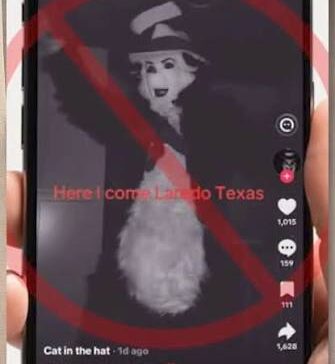
The "Cat in the Hat" trend consists of viral social-media posts, primarily on TikTok and Snapchat, that feature AI-generated or costumed menacing depictions of the Dr. Seuss character paired with threatening captions naming schools, students, or locations. Confirmed activity began in the United Kingdom and Ireland in early to mid-August 2026 before reaching multiple U.S. states by late August, where law-enforcement agencies investigated reports and determined that the large majority presented no credible or imminent threat. Several juveniles have nevertheless been charged with offenses including harassment, interference with educational institutions, and terroristic threatening. Official statements have consistently noted that posts are frequently fabricated or AI-generated and that sharing unverified content amplifies disruption.[3] School districts responded with increased security measures, perimeter holds, building sweeps, temporary shifts to online learning, and parent alerts after posts referenced specific sites or individuals.[8, 3] These actions produced measurable operational impacts even when later assessments found no active threat. Law-enforcement agencies have emphasized that every report must receive full review because the pattern can generate precautionary resource demands and community alarm, while public guidance has warned against reposting or circulating the material.[5, 3] No single originating actor or coordinated motive has been identified, and the complete extent of anonymous account activity remains incompletely documented. Available information indicates the trend is consistent with prior viral hoaxes intended to provoke fear or disruption rather than to advance any stated ideological purpose.[1, 4] The dominant near-term effect is therefore assessed as continued localized strain on schools and law enforcement through copycat posts, with risk drivers centered on AI accessibility and name-specific targeting offset by documented arrests and consistent findings of no credible threat after investigation.[9, 3]
Current Threat Picture
Multiple jurisdictions across states including Colorado, Kentucky, Texas, and Michigan have responded with school perimeter holds, lockdowns, building sweeps, and increased patrols after posts appeared in late August 2026.[4, 8] Law enforcement statements indicate that investigated posts have predominantly been determined to present no credible or imminent threat after review, though all reports continue to receive serious attention due to potential for disruption.[3, 9]
Available information suggests the trend will continue to generate localized operational impacts through copycat posts in the near term.[3, 4] It is reasonable to assess that the dominant effect will remain resource strain on schools and law enforcement rather than verified physical attacks, given the documented pattern of fabricated content and resulting juvenile arrests for hoax threats.[2, 9] Based on the current open-source record, no coordinated group or manifesto has been identified.
Watchpoints
- New posts containing more specific details on timing, locations, or individuals beyond general threats.[2, 4]
- Additional arrests or identifications of posters that demonstrate ongoing copycat behavior.
- Increases in post volume or geographic spread to previously unaffected districts.[8]
- Any verified attempts by individuals to act on posted threats at targeted sites.[2, 9]
Implications for VirginiaThe trend has produced rapid, geographically dispersed school disruptions through anonymous social-media accounts that pair AI-generated or costumed imagery with location- or name-specific threats.[3, 9] Available information indicates that the same tactics could generate analogous precautionary actions in Virginia if posts reference local schools or students, including temporary perimeter holds, building sweeps, and shifts to remote instruction, as documented when comparable reports surfaced in other states.[4, 9]
Virginia's large public-school population and widespread use of the platforms that have carried the content create exposure to the same pattern of copycat dissemination and community alarm.[5] Law-enforcement agencies, school districts, and emergency-management partners may therefore find value in maintaining coordinated threat-assessment procedures, timely public guidance against circulating unverified posts, and outreach to parents that emphasizes reporting over sharing, consistent with practices that have limited operational impact in jurisdictions already affected.[8, 2]
Best Practices and RecommendationsLaw enforcement agencies have directed that all posts containing threats or menacing imagery must be treated seriously and not dismissed as jokes or harmless trends, because participants may face criminal charges such as harassment, cyberstalking, or terroristic threatening regardless of claimed prank intent.[3, 4]
- Individuals should not repost, share, or circulate any threatening content associated with the trend, as doing so amplifies community fear and can create additional liability according to explicit warnings from multiple police departments. -[2, 3]
- Parents and guardians should discuss the seriousness of online threats with children and limit the personal identifying information shared publicly online, following direct guidance issued by local authorities in affected jurisdictions.[9, 7]
- Community members and[5] schools should report any specific threatening posts, suspicious accounts, or location-targeted content immediately to local law enforcement or designated tip lines rather than attempting independent verification or engagement.[4, 5]
- Educational institutions should maintain coordination with law enforcement on reported incidents while recognizing that the majority of reviewed cases have not produced credible imminent threats, supporting measured security adjustments that reduce unnecessary operational disruptions.[2, 3]